
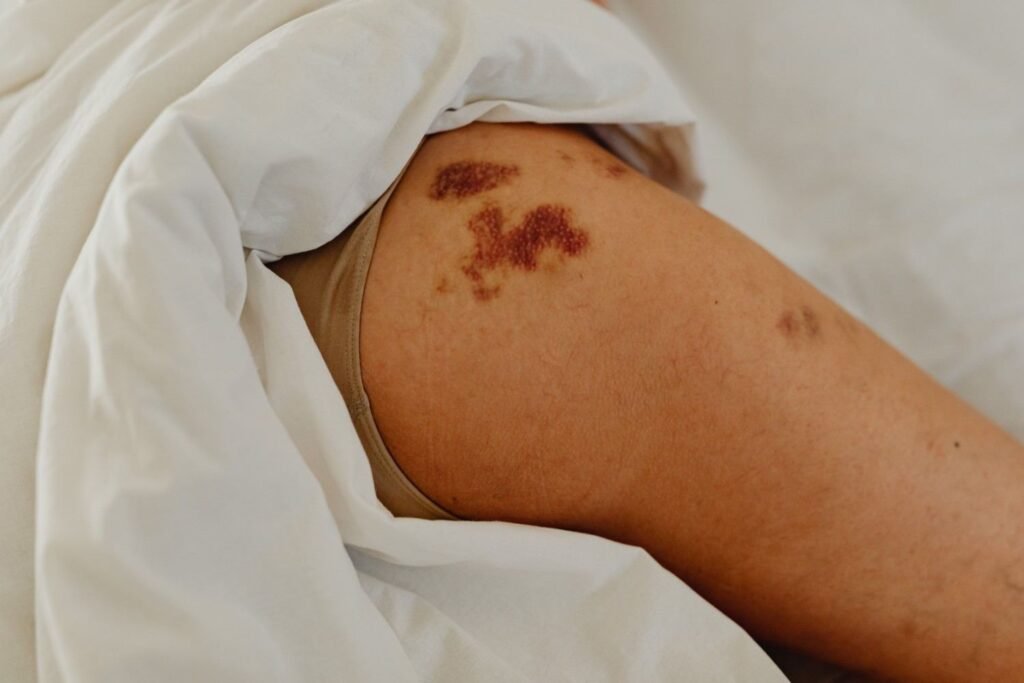
Vasculitis is a group of conditions that causes inflammation in the blood vessels. When blood vessels become inflamed, their walls may swell and become narrower, which can affect normal blood flow. Depending on the type of vasculitis, different parts of the body can be affected, including the skin, joints, kidneys, lungs, nerves and eyes.
Because symptoms can vary significantly, recognizing warning signs and getting the right medical evaluation is important. If you have unexplained symptoms that may be related to blood vessel inflammation, discussing Vasculitis Treatment in Ashok Vihar with a qualified healthcare professional can help determine the next steps.
Want a direct connection with us on WhatsApp? Click now.
What Is Vasculitis?
Vasculitis occurs when blood vessels become inflamed. The condition includes several different types, and each type can affect the body differently.
Some forms mainly affect the skin, while others can involve several organs. Vasculitis may sometimes be associated with autoimmune diseases, infections, certain medicines or other underlying conditions. However, the exact cause is not always known.
According to Dr. Kiran Seth, understanding the pattern of symptoms is an important part of deciding whether further evaluation for vasculitis is needed.
What Are the Common Symptoms of Vasculitis?
Vasculitis symptoms depend on the blood vessels and organs involved. Some people may initially experience general symptoms that can resemble other health conditions.
Common symptoms may include:
- Persistent tiredness or weakness
- Fever
- Unexplained weight loss
- Muscle or joint pain
- Headaches
- Red or purple spots or other skin changes
- Numbness or tingling in the hands or feet
- Shortness of breath
- Abdominal discomfort
- Blood in the urine
- Eye redness or vision changes
Not everyone with these symptoms has vasculitis. Several other conditions can cause similar complaints, which is why proper medical assessment is important.
When Should You Consider Vasculitis Treatment in Ashok Vihar?
You should consider medical evaluation when symptoms are persistent, unexplained, worsening or occurring in different parts of the body.
For example, a combination of skin changes, joint pain, unusual fatigue or nerve-related symptoms may require further investigation. Similarly, breathing problems, kidney-related changes or vision symptoms should not be ignored.
Some forms of vasculitis can progress quickly and may affect important organs. Early diagnosis can help healthcare professionals identify the type of vasculitis and determine an appropriate treatment approach.
If you are looking for Vasculitis Treatment in Ashok Vihar, Dr. Kiran Seth can help assess your symptoms and determine whether further investigations are appropriate.
Symptoms That Need Prompt Medical Attention
Certain symptoms may require urgent medical assessment. These can include sudden vision changes, significant breathing difficulty, chest pain, coughing up blood or severe weakness.
The urgency depends on the underlying cause and the organs involved. It is better to seek timely medical attention rather than assume that such symptoms will resolve on their own.
How Is Vasculitis Diagnosed?
There is no single test that confirms every type of vasculitis. Diagnosis generally starts with a detailed medical history and physical examination.
Depending on the symptoms, a healthcare professional may recommend:
- Blood tests to look for signs of inflammation or specific antibodies
- Urine tests to assess possible kidney involvement
- Imaging tests to examine blood vessels or affected organs
- Biopsy of affected tissue in selected cases
- Other specialized investigations based on the suspected type of vasculitis
The exact tests depend on the individual’s symptoms and the organs that may be involved.
Dr. Kiran Seth can evaluate the available clinical information and help determine which investigations may be relevant.
What Does Vasculitis Treatment Involve?
Treatment depends on the type of vasculitis, how active the condition is and which organs are affected. The main goal is generally to control inflammation and reduce the risk of further tissue or organ damage.
Treatment may involve medicines that reduce inflammation or control an overactive immune response. Corticosteroids are commonly used for several forms of vasculitis, while other medicines may be considered depending on the specific condition.
Treatment should always be individualized. The medication and dosage that may be appropriate for one type of vasculitis may not be suitable for another.
Long-term follow-up may also be necessary because some forms of vasculitis can have periods of improvement and recurrence.
Why Is Follow-Up Important?
Managing vasculitis is not only about controlling symptoms. Regular monitoring may help healthcare professionals assess how the condition is responding to treatment and whether any organs require additional attention.
Patients should also discuss new or worsening symptoms with their healthcare professional rather than changing or stopping prescribed medicines without medical advice.
If you are undergoing Vasculitis Treatment in Ashok Vihar, maintaining regular follow-up with your healthcare team can be an important part of ongoing care.
Frequently Asked Questions
What is vasculitis?
Vasculitis is a group of conditions involving inflammation of blood vessels. Depending on the type, it may affect the skin, joints, nerves, kidneys, lungs, eyes or other organs.
What are the early symptoms of vasculitis?
Early symptoms can include tiredness, fever, unexplained weight loss, muscle or joint pain and skin changes. Some people may also develop numbness, breathing problems or other organ-specific symptoms.
- Is vasculitis treatable?
Many types of vasculitis can be managed with appropriate medical treatment. Treatment depends on the specific type, severity and organs affected. Some people may require ongoing monitoring because the condition can flare again.
Which doctor treats vasculitis?
A rheumatology specialist may evaluate many forms of vasculitis, particularly when inflammation or an autoimmune process is suspected. Depending on the organs involved, other specialists may also become part of the care team.
When should I seek Vasculitis Treatment in Ashok Vihar?
Consider medical evaluation if you have persistent or unexplained symptoms such as unusual skin changes, joint or muscle pain, numbness, unexplained weight loss, breathing problems, blood in the urine or vision changes. Sudden or severe symptoms may require urgent medical attention.
Conclusion
Vasculitis can affect blood vessels throughout the body, and its symptoms can differ from one person to another. Persistent symptoms should not automatically be attributed to a minor problem, particularly when several body systems are involved.
Early medical evaluation can help identify the possible cause of symptoms and determine whether further testing is needed. If you are searching for Vasculitis Treatment in Ashok Vihar, discussing your symptoms with Dr. Kiran Seth can be a suitable starting point for understanding your condition and available treatment options.
The right approach depends on the type of vasculitis, its severity and the organs involved. With appropriate evaluation, treatment and follow-up, management can be tailored to the individual’s needs.