Mixed connective tissue disease (MCTD) is an autoimmune condition that can cause symptoms associated with more than one connective tissue disease. Because its symptoms can vary from person to person and may develop gradually, recognizing the early warning signs can help people seek appropriate medical evaluation.
If you are experiencing unexplained joint pain, swelling, unusual fatigue, or changes in your fingers when exposed to cold, consulting a specialist can be an important step. People looking for Mixed Connective Tissue Disease Treatment in Ashok Vihar should understand the symptoms first so they can discuss their concerns clearly with a healthcare professional.
Want a direct connection with us on WhatsApp? Click now.
What Is Mixed Connective Tissue Disease?
Mixed connective tissue disease is an autoimmune disorder in which the immune system mistakenly attacks the body’s own tissues. It can show features commonly associated with conditions such as lupus, systemic sclerosis, polymyositis, or rheumatoid arthritis.
The symptoms are not always the same for everyone. Some people may initially experience only one or two symptoms, while others can develop several symptoms affecting the joints, muscles, skin, blood vessels, lungs, or other organs.
Dr. Kiran Seth recommends paying attention to symptoms that persist, recur, or appear without an obvious explanation rather than ignoring them as temporary discomfort.
Common Symptoms of Mixed Connective Tissue Disease
Raynaud’s Phenomenon
One of the commonly recognized symptoms associated with MCTD is Raynaud’s phenomenon. Fingers or toes may become unusually cold and change colour when exposed to cold temperatures or during emotional stress.
The fingers may appear pale or bluish and can later become red as blood flow returns. Some people may also experience numbness, tingling, or discomfort.
Joint Pain and Stiffness
Joint pain is another common concern. A person may experience aching, tenderness, swelling, or stiffness in different joints.
Morning stiffness or discomfort after periods of inactivity can interfere with everyday activities. Persistent joint symptoms should be evaluated rather than being assumed to be caused only by normal wear and tear.
Muscle Weakness
Some individuals with MCTD may develop muscle weakness, particularly around the shoulders, hips, or other larger muscle groups.
Simple activities such as climbing stairs, getting up from a chair, or lifting objects may become more difficult. Muscle weakness that continues or progressively affects daily activities deserves medical attention.
Fatigue
Ongoing fatigue can occur with autoimmune conditions. Unlike ordinary tiredness after a busy day, persistent fatigue may not improve sufficiently with normal rest.
A person may feel unusually drained and have difficulty maintaining their usual routine. Since fatigue can have many possible causes, a medical evaluation is important before connecting it specifically to MCTD.
Swollen Hands and Fingers
Swelling or puffiness of the hands and fingers may occur in people with mixed connective tissue disease. Rings may feel tighter than usual, and the fingers can sometimes appear noticeably swollen.
This symptom can occur alongside joint discomfort or changes associated with Raynaud’s phenomenon.
Skin Changes
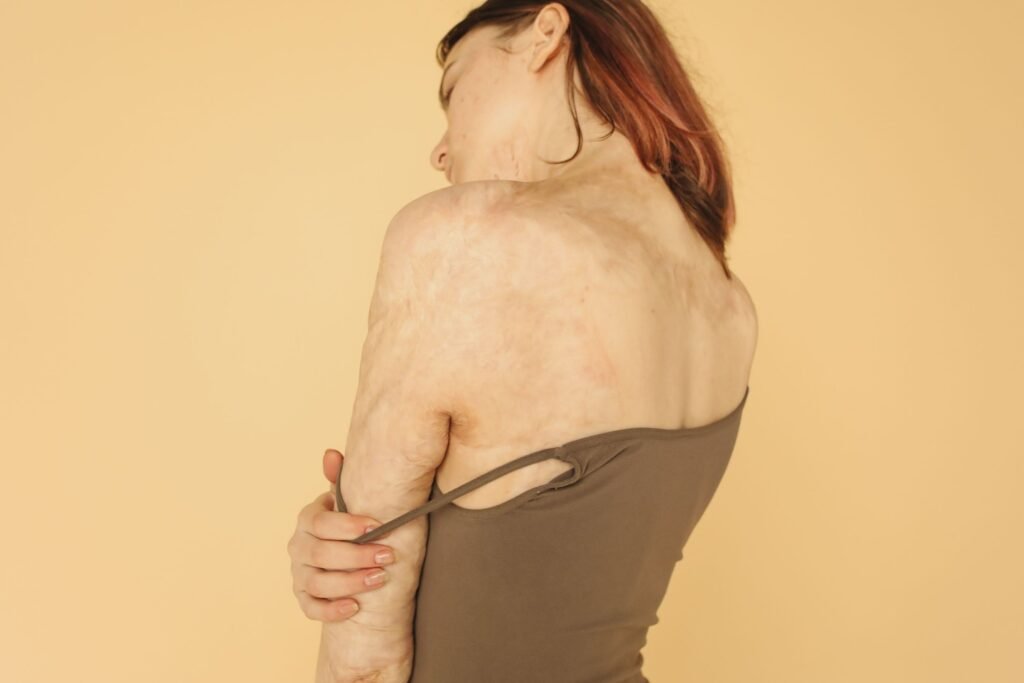
Skin-related symptoms can vary. Some people may notice rashes, sensitivity to sunlight, or other changes in the skin.
Because skin symptoms can have numerous causes, their appearance alone does not confirm MCTD. A healthcare professional considers the complete symptom pattern and relevant medical findings.
Shortness of Breath
MCTD can sometimes involve the lungs, which may result in breathing-related symptoms. Shortness of breath, reduced exercise tolerance, or persistent respiratory discomfort should not be ignored.
Anyone experiencing significant or worsening breathing difficulty should seek prompt medical attention.
Difficulty Swallowing
Some people may experience difficulty swallowing or a sensation that food is moving slowly through the throat or oesophagus. This can be associated with changes in the muscles or tissues involved in swallowing.
Persistent swallowing problems require appropriate medical assessment.
When Should You See a Doctor?
Symptoms such as joint pain, fatigue, swollen fingers, muscle weakness, or Raynaud’s phenomenon can occur in many different conditions. Therefore, symptoms alone cannot establish a diagnosis of mixed connective tissue disease.
If several of these symptoms occur together, continue for an extended period, or interfere with daily activities, it is sensible to consult a qualified healthcare professional.
Dr. Kiran Seth can evaluate the overall symptom pattern and determine whether further examination or investigations may be appropriate. People searching for Mixed Connective Tissue Disease Treatment in Ashok Vihar should avoid self-diagnosis because autoimmune conditions can overlap in their symptoms.
How Is MCTD Evaluated?
There is no single symptom that confirms mixed connective tissue disease. Doctors generally consider a person’s medical history, physical examination, symptoms, and appropriate laboratory investigations.
Blood tests may be used to look for certain autoimmune markers, while additional investigations can be considered depending on the symptoms and organs involved.
The evaluation is important because MCTD can resemble other autoimmune and connective tissue disorders.
FAQ About Mixed Connective Tissue Disease
What is the first symptom of mixed connective tissue disease?
There is no single first symptom that occurs in everyone. Raynaud’s phenomenon, joint pain, swollen fingers, fatigue, and muscle-related symptoms may appear at different stages.
Can mixed connective tissue disease cause joint pain?
Yes. Joint pain, stiffness, tenderness, and swelling can occur with MCTD. However, joint symptoms can have many causes and require proper evaluation.
Is fatigue common in MCTD?
Persistent fatigue can occur in people with MCTD. If unexplained tiredness continues or affects normal activities, it is worth discussing with a healthcare professional.
Can MCTD affect the lungs?
MCTD can involve the lungs in some people. Symptoms such as persistent shortness of breath or reduced exercise tolerance should be medically assessed.
Where can I seek Mixed Connective Tissue Disease Treatment in Ashok Vihar?
If you have symptoms that may suggest a connective tissue or autoimmune disorder, you can consult a specialist for appropriate evaluation. Mixed Connective Tissue Disease Treatment in Ashok Vihar should be based on an individual assessment rather than self-diagnosis.
Conclusion
Mixed connective tissue disease can produce a combination of symptoms involving the joints, muscles, skin, blood vessels, and other parts of the body. Raynaud’s phenomenon, joint pain, swollen fingers, muscle weakness, fatigue, and breathing difficulties are among the symptoms that may require further evaluation.
Recognizing persistent or unusual symptoms can encourage timely medical consultation. Dr. Kiran Seth emphasizes the importance of evaluating the complete clinical picture rather than focusing on one symptom alone. If you are searching for Mixed Connective Tissue Disease Treatment in Ashok Vihar, professional evaluation can help determine the appropriate next steps based on your individual symptoms and medical needs.