
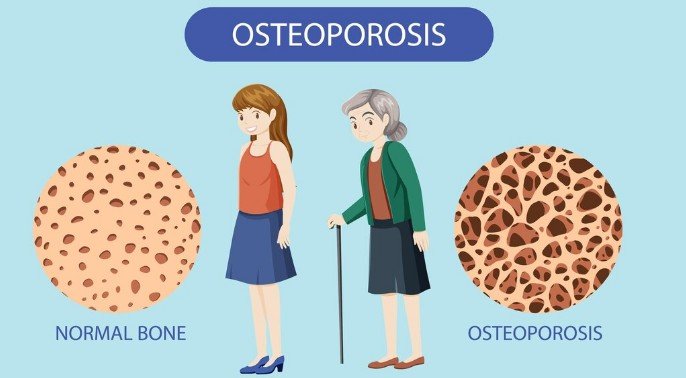
Osteoporosis is often called a “silent” condition because it can develop without obvious symptoms in its early stages. Many people continue their daily activities without realizing that their bones are gradually becoming weaker. By the time a fracture occurs, significant bone loss may have already taken place. Recognising subtle warning signs and discussing them with an Osteoporosis Doctor in Mayur Vihar can help in identifying bone health concerns at an appropriate stage.
Want a direct connection with us on WhatsApp? Click now.
Dr. Kiran Seth explains that paying attention to changes in posture, height, back comfort, and fracture patterns can be important when assessing overall bone health. Although these signs do not always mean that a person has osteoporosis, they should not be ignored, particularly when several occur together.
What Is Osteoporosis?
Osteoporosis is a bone condition in which bones become less dense and more fragile. Healthy bones are constantly renewed through a natural process of bone breakdown and formation. When this balance changes, bone strength can gradually decrease.
Weak bones may be more likely to break after a minor fall or routine movement. The spine, hips and wrists are among the areas commonly affected by osteoporosis-related fractures.
Bone loss can occur gradually, which is why many people do not notice anything unusual until a fracture happens.
Early Signs of Osteoporosis People Often Overlook
Gradual Loss of Height
A person may become slightly shorter over the years without giving much thought to it. However, noticeable height loss can sometimes be associated with changes in the bones of the spine.
Small fractures or compression of the spinal bones can affect posture and height. If you notice that you are becoming shorter, especially along with back discomfort or a more stooped posture, it is worth discussing with a healthcare professional.
Changes in Posture
A rounded or stooped upper back may develop gradually. Many people simply associate this change with ageing or poor posture.
However, changes in the shape of the spine can sometimes occur because the vertebrae have become weaker. Persistent or progressive changes in posture deserve proper evaluation rather than being dismissed as a normal part of getting older.
Unexplained Back Pain
Back pain has many possible causes, including muscle strain, disc problems and arthritis. In some cases, however, persistent back pain may be related to a weakened vertebra.
Osteoporosis itself may not cause pain until a fracture occurs. Therefore, sudden or ongoing back pain, particularly after a minor movement or injury, should be assessed.
Dr. Kiran Seth recommends not ignoring recurring symptoms simply because they seem mild. Understanding the underlying cause is important for choosing appropriate care.
Fractures After Minor Falls or Injuries
Breaking a bone after a significant accident is not necessarily a sign of osteoporosis. But a fracture following a minor fall, bump or relatively low-impact incident may raise concerns about bone strength.
Such fractures can sometimes be an important warning that the bones need further assessment. People who have experienced a low-impact fracture should discuss their bone health with a healthcare professional.
Increasing Stooped Appearance
A gradual forward curve of the upper back may be easy to overlook. People may notice that their clothes fit differently or that they naturally lean forward while standing or walking.
This change can be associated with vertebral compression and loss of spinal strength. Early assessment may help determine whether the change is related to osteoporosis or another musculoskeletal condition.
Who Should Pay Attention to These Warning Signs?
Osteoporosis can affect people at different stages of life, although the risk increases with age. Bone health may also be influenced by factors such as hormonal changes, certain medical conditions, nutritional deficiencies, prolonged inactivity and some medications.
People with a personal history of fractures or other risk factors should be particularly attentive to changes in bone health.
If you are concerned about symptoms or have factors that may increase your risk, consulting an Osteoporosis Doctor in Mayur Vihar can help you understand whether further evaluation is appropriate.
How Is Osteoporosis Evaluated?
A healthcare professional may begin by discussing your symptoms, medical history, previous fractures and potential risk factors. Depending on the individual situation, further assessment may be recommended.
A bone mineral density test, commonly known as a DEXA or DXA scan, can be used to assess bone mineral density. The results can help healthcare professionals evaluate bone strength and determine whether osteoporosis or low bone density may be present.
Dr. Kiran Seth emphasises that diagnosis should be based on an individual’s overall clinical picture rather than a single symptom.
Why Early Attention Matters
Osteoporosis may progress quietly, but identifying reduced bone strength can provide an opportunity to take preventive and treatment measures. Depending on individual needs, management may involve lifestyle changes, adequate nutrition, physical activity, fall prevention and medicines when clinically appropriate.
Maintaining healthy bones is also a long-term process. Regular weight-bearing and muscle-strengthening activities, adequate calcium and vitamin D intake, avoiding smoking and limiting excessive alcohol consumption can support overall bone health.
It is important to discuss any supplements or treatment with a healthcare professional rather than starting them without guidance.
When Should You Consult a Specialist?
Do not wait for severe symptoms before paying attention to your bone health. Consider seeking medical advice if you experience unexplained height loss, persistent back pain, noticeable posture changes or a fracture after a minor injury.
An Osteoporosis Doctor in Mayur Vihar can assess your concerns and determine whether bone density evaluation or other investigations may be appropriate.
Dr. Kiran Seth also advises people to consider their complete health history when thinking about osteoporosis risk. Early discussion can be particularly useful when there is a history of fractures or other known risk factors.
Conclusion
Osteoporosis does not always announce itself with clear symptoms. Small changes such as losing height, developing a stooped posture, experiencing unexplained back pain or suffering a fracture after a minor injury may deserve attention.
Recognising these possible warning signs can encourage timely evaluation and better awareness of bone health. If you notice concerning changes or have questions about your risk, consulting an Osteoporosis Doctor in Mayur Vihar can be a useful step toward understanding your bone health.