
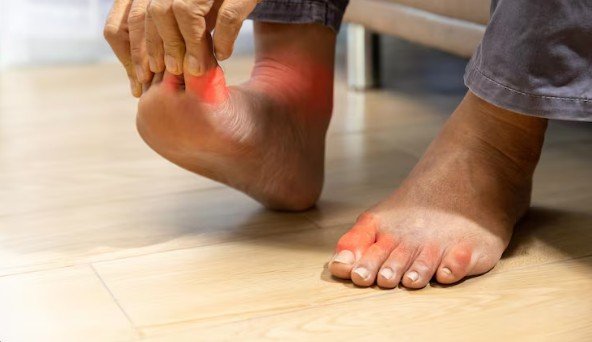
Gout can begin suddenly, but the condition often gives warning signs that should not be ignored. Recognizing these early changes may help you seek timely medical advice before joint pain and swelling become difficult to manage. If you notice recurring joint discomfort, warmth, or swelling, consulting a specialist can help identify the cause. Gout Treatment in Greater Noida focuses on understanding the underlying problem and managing symptoms appropriately.
Want a direct connection with us on WhatsApp? Click now.
Gout develops when uric acid builds up in the body and forms crystals in and around a joint. Although the big toe is commonly affected, gout can also involve the ankles, knees, feet, wrists, or fingers. According to Dr. Kiran Seth, paying attention to changes in the joints can be an important first step toward timely evaluation.
What Does Gout Feel Like in the Early Stage?
The first signs of gout may appear before a full gout attack develops. Some people experience mild or occasional symptoms that they may initially dismiss as tiredness, strain, or a minor joint problem.
Joint Pain That Appears Suddenly
One of the most noticeable signs is sudden joint pain. A gout flare can develop quickly, sometimes during the night or after a period when the joint seemed normal.
The pain may initially feel uncomfortable and then become more intense. If similar episodes occur repeatedly, it is worth discussing them with a doctor rather than treating each episode as an isolated problem.
Swelling Around the Joint
Swelling is another common warning sign. The affected joint may look puffy or feel tight. Shoes, socks, or normal movement may become uncomfortable when swelling affects the foot or toe.
Persistent or recurring swelling should not automatically be assumed to be gout. Several joint conditions can cause similar symptoms, so proper medical assessment is important.
Warmth and Redness
A joint affected by gout may become warm and appear red. The skin around the area can look noticeably different from the surrounding skin.
These changes can occur along with tenderness. Even light pressure may feel uncomfortable during an active flare. Dr. Kiran Seth recommends paying attention when redness, warmth, swelling, and pain occur together, especially if the symptoms return over time.
Early Signs You Should Not Ignore
Some symptoms may be easy to overlook when they are mild. However, recurring patterns can provide useful clues.
Watch for:
- Repeated pain in the same joint
- Sudden swelling without an obvious injury
- Joint warmth or redness
- Tenderness that makes normal movement uncomfortable
- Episodes that improve and later return
- Increasing discomfort after certain lifestyle or dietary triggers
Having one of these symptoms does not confirm gout. A healthcare professional may need to review your symptoms, medical history, medications, and appropriate test results before determining the cause.
Why Does Gout Keep Coming Back?
Gout is associated with high levels of uric acid in the blood. When uric acid forms crystals in a joint, the body’s inflammatory response can lead to pain and swelling.
Several factors can contribute to increased uric acid levels or gout risk. These may include certain dietary patterns, alcohol consumption, excess body weight, some medical conditions, and certain medicines. Not everyone with elevated uric acid develops gout, which is why symptoms and clinical evaluation matter.
If you have already experienced a gout flare, ignoring future episodes may allow the condition to remain poorly controlled. Gout Treatment in Greater Noida can help patients understand their symptoms and discuss appropriate management with a qualified doctor.
When Should You See a Doctor?
You should consider medical evaluation if you experience sudden, severe joint pain, repeated swelling, unexplained joint redness, or symptoms that keep returning.
It is especially important to seek prompt medical attention when severe joint pain is accompanied by fever or when you feel generally unwell. A painful, swollen joint can have causes other than gout, including infections, and these may require urgent treatment.
Early evaluation can also help distinguish gout from other forms of arthritis. Dr. Kiran Seth can assess the pattern of symptoms and help determine whether further evaluation is appropriate.
How Is Gout Diagnosed?
Doctors may use several factors when evaluating suspected gout. These can include your symptoms, physical examination, medical history, and blood tests. In some situations, examination of joint fluid may help identify urate crystals and distinguish gout from other causes of joint inflammation.
A uric acid blood test can provide useful information, but the result needs to be interpreted in context. A single test does not always explain the complete picture.
This is why self-diagnosis is not recommended. If you repeatedly experience unexplained joint pain, getting an appropriate evaluation is a better approach than assuming every flare is gout.
Managing Gout After Early Warning Signs
Treatment depends on the individual’s symptoms, medical history, and overall health. A doctor may recommend measures to manage an acute flare and, when appropriate, treatment aimed at reducing the risk of future attacks.
Lifestyle changes can also form part of gout management. Maintaining a healthy weight, drinking adequate fluids, following a balanced diet, and limiting known triggers may be helpful. However, lifestyle changes should complement medical advice rather than replace prescribed treatment.
Gout Treatment in Greater Noida should be approached as an ongoing management plan when recurrent gout is present, rather than simply treating pain whenever a flare occurs.
Conclusion
Recognizing the early signs of gout can help you respond before symptoms become more severe. Sudden joint pain, swelling, warmth, redness, and recurring episodes deserve attention, particularly when they occur without an injury.
Do not assume that every painful or swollen joint is gout. Proper diagnosis is important because other joint conditions can produce similar symptoms. If you are experiencing recurring symptoms, discuss them with a healthcare professional for appropriate evaluation and treatment.
For people looking for Gout Treatment in Greater Noida, timely medical advice can help clarify the cause of joint symptoms and support a suitable management approach.